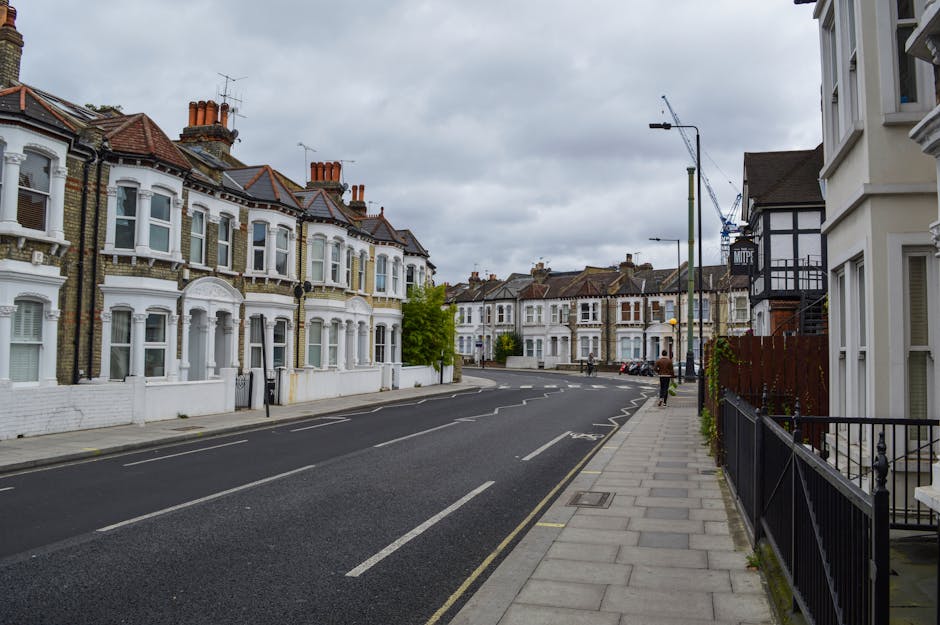
Victorian Terrace Access Solutions for Clapham Moves
Moving in Clapham can feel straightforward until you stand outside a Victorian terrace with a sofa in one hand, a tight hallway behind you, and nowhere obvious to park the van. That is usually the moment people realise Victorian terrace access solutions for Clapham moves are not a nice extra - they are the difference between a calm move and a chaotic one. Narrow front paths, steep steps, shared entrances, awkward kerbs, garden gates, and limited waiting space all change the job.
This guide explains what those access solutions actually look like in practice, how to plan them, and how to avoid the sort of last-minute problems that turn a decent moving day into a long one. If you are moving home, relocating a flat, or helping a client shift furniture in and out of a terrace property, the details here will save time, effort, and a fair bit of stress. And honestly, stress is the one thing no one needs on move day.
Where relevant, it also shows how different service options can fit the job, from a flexible man and van option to structured home moves and more specialist support such as packing and unpacking services.
Why Victorian Terrace Access Solutions for Clapham Moves Matters
Victorian terraces are lovely to live in. High ceilings, original features, proper character. But from a removals point of view, they can be a bit of a puzzle. In Clapham, many terraces sit on roads where parking is tight, pavements are narrow, and the entrance route is not built for bulky furniture on a rainy Thursday morning. The house might look roomy inside, but the access can be the real constraint.
That matters because access affects almost everything: how many people are needed, what size vehicle works, how the team protects walls and banisters, whether items can be taken out in one piece, and how long the job will take. If access is handled badly, you get avoidable delays, damaged furniture, frustrated neighbours, and a move that feels heavier than it should.
It is also worth saying that access issues are not always obvious until the day. A sofa that looked fine in the lounge may snag on a turn at the landing. A washing machine may clear the front door but not the step outside. A parking space may be technically nearby, but not close enough to make loading efficient. That is why proper access planning is so useful. It turns guesswork into a repeatable process.
For Clapham moves in particular, the local street pattern often means planning around real-world constraints rather than ideal ones. You do not need perfection, but you do need a clear plan. A decent moving setup makes the difference between carrying things once and carrying them three times. Nobody wants that. Nobody.
How Victorian Terrace Access Solutions for Clapham Moves Works
In practice, access solutions are simply the set of decisions and adjustments that make the property easier and safer to work in. That can mean choosing a smaller vehicle, planning a timed arrival, splitting the load, protecting interior surfaces, arranging temporary parking, or using extra hands for awkward items.
The process usually starts before moving day. A good mover or planner will ask about the front door, number of floors, staircase shape, parking conditions, vehicle access, and whether there is rear access or a side return. They may also want to know which items are bulky, fragile, or awkwardly shaped. A cast-iron bed frame and a modular bookcase are not the same kind of problem, even if they both fit into the same room.
Then comes the practical plan. That plan might include:
- a parking position close enough for efficient loading;
- a route from the property to the vehicle that avoids tight turns where possible;
- protective coverings for floors, doors, and handrails;
- disassembly of certain furniture before moving;
- sequencing the load so the heaviest or most awkward items go first;
- extra labour for stairs, basements, or upper floors;
- clear timing so everyone knows when to expect the van.
Sometimes the answer is a compact vehicle rather than a larger truck. Sometimes it is simply a smarter loading method. If the move involves business equipment as well as furniture, a service such as commercial moves or office relocation services may be more appropriate because it brings a different kind of planning discipline to access and handling.
And if the job is mainly transport plus a few key items, a man with van arrangement can be a practical fit, especially when the route is tight and you need something nimble rather than oversized.
Key Benefits and Practical Advantages
The obvious benefit is less hassle. But the real advantages go further than that. Good access planning improves safety, reduces damage risk, and makes the whole move feel less rushed. You will notice the difference most when there are stairs, tight hallways, or heavy furniture that needs a careful turn.
Here are the main benefits in plain English:
- Less handling: Better parking and better route planning mean fewer unnecessary lifts.
- Lower risk of damage: Walls, banisters, doors, and furniture all stay safer when the route is planned.
- Faster loading and unloading: A shorter carry path saves time, especially in street parking situations.
- Better team coordination: Everyone knows what is moving first and where it is going.
- More realistic timing: The move schedule matches the actual access conditions, not a best-case guess.
- Reduced physical strain: That matters more than people think, especially on upper floors or with awkward items.
There is also a quieter benefit: confidence. When you know the route, the vehicle, and the handling approach have all been thought through, the move feels calmer. Calm is underrated. A bit of calm goes a long way when someone is trying to fit a wardrobe through a hallway that has clearly seen better days.
If you are weighing different service levels, it can help to think about the job as a mix of transport, access, and handling support. For larger loads, a moving truck or removal truck hire may be more suitable. For smaller or split-load moves, a lighter setup can be easier to position on Clapham streets.
Who This Is For and When It Makes Sense
These access solutions are useful for a lot more people than first-time movers. In reality, they help anyone dealing with a Victorian terrace, especially if the property has one or more of the following: narrow entrance steps, split-level floors, tight staircases, rear kitchen extensions, limited forecourt space, or no straightforward parking near the front door.
They make particular sense for:
- homeowners moving in or out of terrace houses;
- tenants in upper-floor flats above or within older terrace conversions;
- landlords arranging end-of-tenancy removals;
- families moving larger furniture or appliances;
- small businesses relocating from converted terrace premises;
- people needing one-off item collection or delivery.
For smaller loads, a straightforward man and van setup can be enough. For larger household moves, especially if there are many boxes and a lot of furniture, it is worth looking at house removalists or a more complete home moves service.
It also makes sense when you are moving something specific rather than an entire household. A sofa, bed, wardrobe, or dining table can be surprisingly awkward in a Victorian terrace, and that is before you hit the step outside. So yes, even one item can need a proper access plan.
Step-by-Step Guidance
Here is the simplest way to handle access planning without overcomplicating it.
- Assess the property from the outside. Look at the front steps, pavement width, parking options, and whether the vehicle can reasonably stop nearby. If you have to carry furniture half the street, the plan needs adjusting.
- Measure the problem items. Height, width, depth, and sometimes diagonal clearance all matter. A sofa can fail on a corner even when it seems to fit on paper.
- Check the staircase and landings. Turn points are often the real bottleneck. A narrow landing can be more awkward than a narrow door.
- Decide what should be dismantled. Beds, table legs, shelving, and some wardrobes may move better in parts.
- Choose the right vehicle and crew size. Bigger is not always better. In Clapham, a vehicle that is easier to position may save more time than a larger one.
- Set a loading order. Keep essentials and fragile items separate. Put the awkward items first, not last.
- Protect the route. Floor runners, blankets, corner guards, and door protection are simple but effective.
- Allow a buffer for the unexpected. A parked car, a delayed lift, or a slightly awkward bed frame can eat time fast.
If packing is still underway, you may want support before the move rather than during it. That is where packing and unpacking services can save the day, because a well-packed box is not only easier to stack, it is easier to carry through a tricky entrance without the contents shifting around like loose cutlery in a drawer.
A small practical note: label boxes by room and priority. It sounds basic, but in a terrace with stair movement and limited landing space, good labels stop chaos before it starts.
Expert Tips for Better Results
In our experience, the best terrace moves are the ones where someone has asked, early on, "What is going to be awkward here?" That question saves more trouble than a dozen last-minute fixes.
Here are the tips that tend to make the biggest difference:
- Take photos of access points. The front step, hallway, staircase, and any awkward corners tell a story that measurements alone miss.
- Use the back route if it is genuinely better. Sometimes rear access is easier, but sometimes it is just a longer walk through gravel, bins, or a narrow passage.
- Move the bulkiest items first when the route is clear. Later in the day, fatigue makes careful manoeuvring harder.
- Keep one person focused on doors and corners. A second pair of eyes at the tight spot can prevent a scrape.
- Separate fragile glass or mirrors from the general load. They deserve their own handling plan.
- Don't fill every inch of the van. Padding and safe stacking matter more than squeezing in one more bag.
One thing people often overlook is weather. A wet pavement, damp steps, or a foggy early start changes the feel of the move more than you would expect. Suddenly a routine carry becomes slower and more cautious. Nothing dramatic, just enough to matter.
To be fair, a good team expects that and adjusts. That is part of the job. If you are discussing the move with a provider, ask how they handle access on narrow terraces, not just what size vehicle they use. That question usually gets a more useful answer.
Common Mistakes to Avoid
Most access problems are avoidable. The issue is that people only notice them once the van is outside and time is already ticking. Here are the mistakes that cause the most trouble.
- Assuming the parking will sort itself out. In Clapham, that is a risky assumption. Even a short carry can become a long one if the vehicle cannot stop near the door.
- Forgetting about the turn at the top or bottom of the stairs. A room may be easy to exit, but the staircase can be the real test.
- Leaving bulky furniture intact for too long. A few screws removed early can save a lot of swearing later. Mild swearing, ideally.
- Underestimating the number of trips. A terrace move often means more back-and-forth than expected if the load order is not planned.
- Not protecting surfaces. Small scuffs add up, especially on painted walls and older bannisters.
- Ignoring the neighbours. Shared streets and close frontages mean your move affects other people too.
One more thing: do not overpack boxes. Heavy boxes are awkward on stairs and can suddenly become a safety issue. A box that feels fine on the floor can be a different story at shoulder height. Strange how that works.
If you are also clearing unwanted items, a service such as furniture pick up can help reduce what needs to be carried through the terrace in the first place. Less clutter, less handling, less stress. Simple really.
Tools, Resources and Recommendations
You do not need specialist kit for every move, but the right equipment makes terrace access easier and safer. The useful items are often the boring ones, which is a bit annoying but true.
- Furniture blankets: good for protecting table edges, drawers, and door frames.
- Straps and trolleys: helpful for heavier boxes and appliances, as long as the route can support them.
- Corner guards and floor protection: ideal for older properties with painted surfaces or delicate flooring.
- Basic tools: screwdrivers, Allen keys, and packaging tape are always useful when dismantling items.
- Labels and markers: speed up unloading and stop the classic "where did we put the kettle?" problem.
From a service point of view, it helps to compare options based on access, not just cost. If the move is larger and the property access is fiddly, removal truck hire may be suitable for the volume, while a smaller setup may work better if parking is extremely limited. The right answer depends on the property, not just the inventory.
For sustainability-minded moves, it is also sensible to reduce waste before moving day. If you have items that are no longer needed, the company's recycling and sustainability information can help you think through disposal and reuse in a cleaner way.
Law, Compliance, Standards, or Best Practice
For most Clapham moves, the main compliance concerns are practical rather than dramatic. You are usually dealing with safe lifting, responsible parking, considerate access management, and sensible handling of property and belongings. The exact rules can vary depending on location, building type, and local parking controls, so it is wise to check the relevant details for the day rather than rely on assumptions.
From a best-practice point of view, a good moving setup should generally consider:
- safe manual handling: heavy items should be moved with the right number of people and the right technique;
- property protection: steps, walls, doors, and floors should be protected where needed;
- clear communication: everyone involved should know the plan, timing, and access route;
- vehicle suitability: the vehicle should match both the load and the street access;
- insurance awareness: it is sensible to understand what is covered before work begins.
If you are comparing providers, it is reasonable to ask about safety and insurance handling in plain language. The site's health and safety policy and insurance and safety information are useful starting points for understanding how a mover thinks about risk. You may also want to review terms and conditions and payment and security so there are no surprises later.
Accessibility can matter too, especially where there are mobility concerns, shared entrances, or a resident who needs extra time to move safely. A clear accessibility statement is a helpful sign that the business has thought beyond the obvious.
Options, Methods, or Comparison Table
Different access problems need different methods. There is no single magic fix, and that is probably the most honest answer.
| Approach | Best for | Strengths | Watch-outs |
|---|---|---|---|
| Compact man and van | Smaller loads, limited parking, quick turnaround | Easier to position, often more flexible on narrow roads | May not suit very large household loads |
| Full home move team | Whole-property moves with furniture and boxes | Better for planning, lifting, and coordination | Needs clear access information in advance |
| Removal truck hire | Large loads where parking and road access are manageable | Good capacity and structured loading | Can be less convenient on very tight streets |
| Packing support plus transport | Busy households, fragile items, or time-poor moves | Reduces errors and speeds up move-day handling | Costs more than transport alone |
As a rule of thumb, if access is the main issue, choose the method that reduces carrying distance and lifting complexity, even if it is not the biggest vehicle on offer. Bigger is not automatically better. Sometimes it is just harder to park. Funny, that.
Case Study or Real-World Example
Imagine a typical Clapham Victorian terrace with two bedrooms upstairs, a narrow hallway, and a front step that sits just awkwardly above pavement level. The move includes a bed frame, mattress, chest of drawers, sofa, dining table, and a stack of boxes. On paper, nothing outrageous. In practice, there are two trouble spots: a tight turn at the landing and a limited parking window outside.
The sensible approach starts the day before. The bed is dismantled, the table legs are removed, and the boxes are grouped by room. On the day itself, the vehicle is parked as close as possible without blocking access, and the heaviest items are moved early while everyone is still fresh. Door frames are protected, the route is kept clear, and someone is assigned to watch the awkward corner on the staircase. No heroics, no rushing.
The result is usually not dramatic in the way people imagine a "successful move" should be. It is more ordinary than that. Things come out cleanly, the van is loaded efficiently, the property stays protected, and the move finishes without that drained, slightly frazzled feeling that makes the rest of the day a write-off. That is what good access planning actually delivers. Quiet competence.
For a move like this, a practical man and van style service may be enough, but if the inventory is larger or the staircase is especially tricky, a more structured house removalists approach can be the better fit.
Practical Checklist
Use this checklist the day before your move. It is simple, but it catches a lot of the silly problems before they happen.
- Measure the front door, hallway, and staircase turns.
- Check whether any large furniture needs dismantling.
- Confirm where the vehicle can park and for how long.
- Keep pathways free from shoes, bags, bins, and loose rugs.
- Label boxes by room and fragility.
- Prepare tools, tape, blankets, and markers.
- Protect floors and door frames where needed.
- Separate fragile items and valuables.
- Tell neighbours if access might briefly affect them.
- Leave a small buffer in the schedule for delays.
Key takeaway: the best Victorian terrace access solutions are not complicated, but they are specific. A short carry, a sensible vehicle, a dismantled wardrobe, and a clear route can make a surprisingly big difference. That is usually where the win is.
Get a free quote today and see how much you can save.
Conclusion
Victorian terrace access solutions for Clapham moves are really about respect for the property, the street, and the people doing the work. When access is planned properly, the move becomes smoother, safer, and much less tiring. You are not trying to outmuscle the staircase or brute-force a bad parking setup. You are simply making smart choices before the first box even moves.
If you take one thing from this guide, let it be this: measure first, move second. The rest becomes far easier. And when the day arrives, you will be glad you did the unglamorous bit early.
For more information about the company behind these services, you can also visit about us or use the site's contact us page if you are ready to talk through your move. A proper conversation at the start can save a lot of head-scratching later.
Frequently Asked Questions
What are Victorian terrace access solutions for Clapham moves?
They are the practical steps used to make moving in and out of a Victorian terrace safer and easier. That may include parking planning, furniture dismantling, route protection, extra carrying help, and choosing a vehicle that fits the street as well as the load.
Why are Clapham terraces harder to move in and out of?
Many have narrow hallways, stairs with tight turns, limited front space, and street parking that is not always right outside the door. None of that is impossible, but it does mean the move needs a bit more thought than a modern-build property.
Do I need a large removal truck for a terrace move?
Not always. In fact, a smaller vehicle can be easier to park and may work better when access is tight. The right choice depends on the size of the load, the road layout, and how far items need to be carried.
Should furniture be dismantled before moving?
Where possible, yes, especially for bulky items such as beds, shelving, and some wardrobes. Dismantling makes turning corners and carrying items through narrow staircases much easier.
How do I know if parking will be a problem?
If the property is on a busy street, has limited curb space, or is near a junction or controlled parking area, assume parking needs to be planned carefully. It is better to check early than to discover the issue with the van already loaded.
What is the best service for a small terrace move?
A flexible man and van setup often suits smaller moves, individual items, or short notice jobs. If you have a full household load, a more complete home moves service is usually easier to coordinate.
Can packing help with access issues?
Yes. Well-packed boxes stack better, carry more safely, and are easier to move through tight spaces. Good packing also reduces the chance of items shifting or getting damaged when you have to make quick turns.
What should I tell the mover before moving day?
Give them the floor level, staircase shape, door widths if known, parking situation, any rear access, and details of bulky or fragile items. Photos are often helpful too. A few clear pictures can say a lot.
How can I reduce the risk of damage in a Victorian terrace?
Use protective coverings, keep routes clear, dismantle large furniture where needed, and avoid rushing at corners or stairs. Good communication matters just as much as good equipment.
Is it worth paying for packing and unpacking services?
If you are short on time, have fragile belongings, or are moving through a tricky access route, it can be very worthwhile. It is one of those services that feels optional until the day gets busy, then suddenly it looks very sensible.
What if the access is worse than expected on the day?
A good mover will adapt by changing the vehicle position, adjusting the load order, adding extra handling, or altering the route through the property. That is why early access assessment matters so much.
How do I get a price for a Clapham terrace move?
Use the site's pricing and quotes information to start the conversation. The more accurate the access details you provide, the more useful the quote will be.
Are terrace moves suitable for furniture disposal too?
Yes, often they are. If you have items to clear out before or after the move, a furniture collection or pick-up service can reduce clutter and simplify the access route.
What is the most common mistake people make with terrace access?
They assume the route will be easy because the property itself looks manageable. In reality, the hardest part is often the bit between the front room and the van.
Who should I contact if I want to talk through a tricky move?
If you want to discuss a terrace move in detail, the simplest next step is to use the website's contact us page and explain the access issues clearly. A short description of the stairs, parking, and bulky items is usually enough to start with.