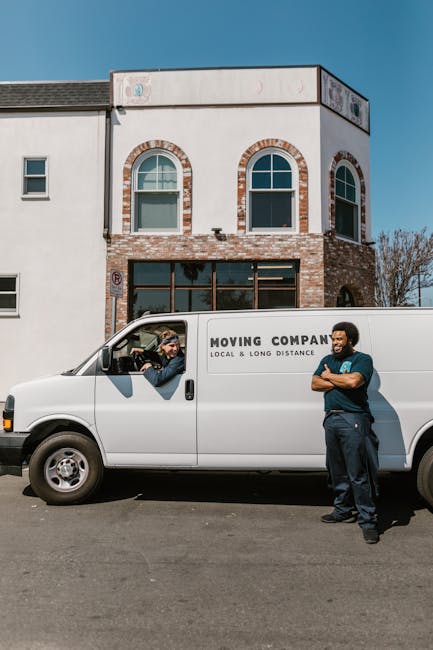
Clapham Manor Street removals small van route tips: a practical guide for smoother local moves
Moving around Clapham Manor Street can look simple on a map and feel very different once you are in a real van, with boxes in the back, a tight timetable, and a street that may have parked cars, busier junctions, or awkward loading space. That is exactly why Clapham Manor Street removals small van route tips matter. The right route, the right timing, and the right vehicle size can save you a lot of stress, a few unnecessary trips, and that horrible moment when you realise the van cannot safely stop where you expected.
This guide breaks the move down in plain English. You will find route-planning advice, local loading tactics, common mistakes, and a practical checklist you can use before moving day. If you are comparing service options as well, it may help to look at our man and van service alongside home move support and packing and unpacking help so you can match the move to the job, not the other way around.
Table of Contents
- Why Clapham Manor Street removals small van route tips matters
- How Clapham Manor Street removals small van route tips works
- Key benefits and practical advantages
- Who this is for and when it makes sense
- Step-by-step guidance
- Expert tips for better results
- Common mistakes to avoid
- Tools, resources and recommendations
- Law, compliance, standards, and best practice
- Options, methods, and comparison table
- Case study or real-world example
- Practical checklist
- Conclusion
- Frequently asked questions
Why Clapham Manor Street removals small van route tips Matters
A small van move sounds straightforward until the route itself gets in the way. On a local street move, the route is not just about getting from A to B. It shapes the whole day: where the van can stop, how quickly items can be loaded, whether the driver can turn safely, and whether your furniture arrives without scratches or frustration.
Clapham Manor Street has the sort of practical realities many London streets share: parked vehicles, varying access, narrow gaps, and occasional pressure on loading space. Even when the distance is short, poor route planning can turn a half-hour job into a long, awkward afternoon. To be fair, this is where small van work shines when it is planned properly. A smaller vehicle can often get closer to the property, reduce walking distance with boxes, and make the whole thing feel less like a production.
Good route tips also help if you are moving in stages. Maybe you are shifting a one-bed flat, a few bulky items, or a bit of office equipment. If that sounds familiar, the route matters as much as the lifting. A short move can still go wrong if the van arrives on the wrong side of a one-way system or has nowhere legal and safe to wait.
Key point: the best small van route is not always the shortest route. It is the route that is safest, easiest to park on, and least likely to waste time.
How Clapham Manor Street removals small van route tips Works
The process is really a mix of planning, timing, and fit-for-purpose transport. You start by checking the property access at both ends, then think about the van size, then decide how the loading and unloading will actually happen. Simple on paper, a bit fiddlier in real life.
In practice, a small van move usually works best when you:
- confirm the exact pickup and drop-off addresses;
- identify the safest approach roads;
- look for any likely parking restrictions or loading limits;
- consider whether the van needs to wait or can stop briefly;
- check whether furniture needs dismantling before travel;
- load the van in a logical order, with the heaviest items secured first.
That sounds basic, but it is the detail that saves you time. For example, if the entrance is tight, you may want to keep the van route geared toward a quick stop rather than a full park. If the street layout is awkward, you may want to approach from the side that gives the driver a cleaner exit. One-way mistakes are boring until they cost you twenty extra minutes and a lot of patience.
When a move involves domestic furniture, local business stock, or a mix of both, a service such as man with van transport can be a neat fit because it balances flexibility with the ability to keep the route and load plan simple. For larger or heavier loads, the same logic applies, but you may need to compare a small van with a moving truck or even removal truck hire if volume matters more than access.
Key Benefits and Practical Advantages
A well-planned small van route is not just about convenience. It changes the whole feel of the move.
- Less walking with heavy items: If the van can get closer, boxes and furniture travel fewer metres by hand. Your back will thank you for that.
- Faster loading and unloading: Shorter carry distances usually mean a cleaner, faster turnaround.
- Lower risk of damage: Fewer awkward lifts across kerbs, corners, or stairwells reduces the chance of scuffs and knocks.
- Better control in tight streets: A small van is often easier to position in restricted London roads than a larger vehicle.
- More flexible scheduling: If you are moving only a few items or doing a split move, small vans are often easier to slot into a day.
There is also a mental benefit. A good route plan makes the day feel manageable. You know where the van is going, where it can stop, and how the move will unfold. That calm feeling is worth quite a bit, honestly.
For home movers, route planning can be especially helpful when linked with house removalists or broader home moves. For businesses, the same principles apply to commercial moves and office relocation services, where timing and access can matter even more.
Who This Is For and When It Makes Sense
This topic is useful for anyone moving around Clapham Manor Street with a van-sized load and a limited access window. That includes students, renters, flat-sharers, small offices, and anyone picking up or dropping off a few bulky items.
It makes particular sense if you are:
- moving from a flat with tight access;
- relocating a small office or studio;
- collecting furniture from a seller or storage location;
- moving only the essentials and leaving larger items behind;
- working to a fixed slot with little room for delays;
- trying to keep costs sensible by using a smaller vehicle.
If that is your situation, route planning is not a nice extra. It is part of the job. A short local hop may still require careful timing if your pickup point is on a busy street and your destination has awkward access. And yes, even one sofa can become a bit of an event if you underestimate where the van can actually stop.
If the job is mostly single-item collection or disposal, a specialist furniture pick up service can sometimes be a better fit than a full move. That depends on the volume, the access, and whether you want help carrying items inside as well.
Step-by-Step Guidance
Here is a sensible way to plan a small van route for a Clapham Manor Street removal without overcomplicating it.
- Walk the route on foot first, if you can. Look at both ends of the move. Where would a van naturally stop? Is there space for the doors to open safely? Are there low branches, narrow gates, or a corner that looks fine in theory but not in practice?
- Check the road layout and turning points. A van needs room to approach, stop, and leave. If a route forces a difficult reversal or a tight turn, choose the slightly longer but easier option.
- Match the van size to the load. A small van is ideal for lighter, smaller, or more modular moves. If you are moving multiple wardrobes, white goods, or office furniture, think carefully before assuming small is enough.
- Plan the loading order. Heavy boxes and stable items go in first. Fragile pieces should be padded and secured later. A chaotic van is how items shift in transit. Nobody wants that rattly sound at every speed bump.
- Allow time for parking and access. Even a short route can be delayed by a busy road. Build a buffer into the schedule, especially if you need someone to meet the van at both ends.
- Protect the items that matter. Use blankets, straps, bubble wrap, or proper covers where needed. Better to spend ten extra minutes now than ten irritating minutes cleaning scratches later.
- Do a final street-level check before departure. Look for anything that changed since the route was planned: a delivery truck, roadworks, a blocked bay, a football of a parking gap. It happens.
One practical way to think about it is this: the route is for the van, but the access plan is for the people carrying the items. Both need to work together.
Expert Tips for Better Results
After enough local moves, a few habits make a real difference.
1. Start early enough to avoid pressure. Morning moves often run more smoothly because streets are less cluttered. If you are moving on a weekday, starting earlier can also help you avoid the end-of-school-run feel that clogs nearby roads. Not every day, of course, but enough to matter.
2. Keep the route simple. The fanciest route on a map is not always the best one. A clean, predictable approach is usually safer than shaving off a minute or two with a turn that makes loading awkward.
3. Think about the last fifty metres. People often focus on the drive between addresses and forget the bit that actually tires everyone out: the final carry from van to door. The route should reduce that carry as much as possible.
4. Use split loads wisely. If you are moving a mix of boxes, a chair, and a desk, it may be better to load the van in two neat phases rather than jam everything in and hope for the best. It sounds slower, but it often isn't.
5. Keep communication clear. If someone is meeting the van, tell them the vehicle type, arrival window, and any access issue that matters. A quick text can save a lot of stand-around time on the pavement.
6. Choose services that fit the task. For a lighter local move, a flexible man and van setup may be enough. If packing support would help, pairing the move with packing and unpacking services can also make the route easier because items are already grouped more logically.
Expert summary: the best small van route is usually the least dramatic one. Fewer reversals, fewer tight turns, fewer surprises. Boring is good here.
Common Mistakes to Avoid
Small van removals go wrong for predictable reasons. The good news is that most of them are avoidable.
- Assuming the nearest route is the easiest route. Shortest and smoothest are not the same thing.
- Underestimating street parking issues. A place that looks fine in the morning may be a headache by lunchtime.
- Picking a van that is too small. If you end up doing multiple trips because the load was underestimated, the move gets slower and more tiring.
- Not securing items properly. A careful route cannot fix loose furniture or poorly stacked boxes.
- Forgetting access at the destination. The road may be easy, but the entrance, lift, or stairwell may be the real bottleneck.
- Leaving quotes and timing too late. Rushing the booking stage often means less choice and less room to plan properly.
One silly but common mistake? People pack the van like they are playing Tetris at full speed. It looks efficient for a minute, then half the load needs shifting. Take the extra breath. It's worth it.
Another one: not checking the terms of the service. If you are comparing moving options, it can help to understand the basics in the terms and conditions, along with practical points on pricing and quotes and payment and security.
Tools, Resources and Recommendations
You do not need a lot of fancy equipment for a small van move, but a few basics make the day much easier.
- Strong boxes: Use boxes that stack properly and do not sag under weight.
- Blankets and wraps: Good for tables, sideboards, mirrors, and painted furniture.
- Straps: Essential for keeping items from shifting around in the van.
- Trolley or sack truck: Helpful if there is a bit of distance between the van and the door.
- Labels: Keep boxes grouped by room or priority so unloading is smoother.
- Phone notes: A simple list of item sizes, access issues, and parking details can prevent rushed decisions on the day.
For sustainability-minded moves, consider donating or reusing any surplus furniture where possible. If you are moving out and do not want to carry unnecessary items, it may be worth reading about recycling and sustainability before you decide what goes in the van and what stays behind.
And if the job is more of a full household shift than a light local run, it is worth comparing service styles rather than forcing a small van into the wrong job. A larger move may need a different vehicle, more packing time, or a more structured approach. That is normal.
Law, Compliance, Standards, and Best Practice
For a local removal, the legal and practical side is mostly about safety, reasonable access, and behaving responsibly on public roads. You do not need to become a traffic lawyer to plan a move, thankfully, but you should stay mindful of how the van is parked, loaded, and operated.
Good practice usually includes the following:
- not blocking pavements, crossings, driveways, or emergency access;
- making sure loads are secure and stable before driving;
- allowing sensible time for loading rather than rushing people or lifting badly;
- checking whether any access arrangement is likely to affect neighbours or other road users;
- keeping to the service provider's safety guidance and insurance requirements.
If you are booking a professional move, it is reasonable to ask how they approach safety, liability, and handling procedures. That is not being difficult. It is smart. A responsible provider should be comfortable talking through insurance and safety and their health and safety policy.
Also, if you need extra reassurance about who you are dealing with, a proper about us page can tell you a lot about how seriously a company takes its work. Not always glamorous reading, but useful. Very useful.
Options, Methods, and Comparison Table
Choosing the right vehicle and service style depends on what you are moving, how far, and how easy the access is at each end.
| Option | Best for | Strengths | Trade-offs |
|---|---|---|---|
| Small van move | Light to medium local loads, tight streets, short routes | Easy access, flexible parking, often quicker for short carries | May need multiple trips if the load is larger than expected |
| Man and van | Furniture, boxes, student moves, quick local collections | Flexible, personal, practical for varied loads | Less suitable for large-volume removals |
| Moving truck | Larger household loads or bulkier items | More capacity, fewer trips | Harder to position on tight streets |
| Removal truck hire | Big moves, heavier furniture, more complex jobs | High capacity and efficiency for bigger removals | May be excessive for a small local move |
As a rule of thumb, if the street access is tight and the job is modest, small van planning tends to be the sweet spot. If you keep trying to make a bigger move behave like a small one, the day gets messy. Better to size the job correctly from the start.
Case Study or Real-World Example
Here is a realistic example. A renter on Clapham Manor Street needs to move a sofa, a bed frame, six boxes, a desk, and a lamp to a nearby flat. On paper, it is a short job. In reality, the old property is on a street with limited stopping space, and the new flat has a narrow entrance and a shared access path.
The best approach is not to send in a larger vehicle just because it feels more "proper". Instead, the move works better with a small van route that prioritises a quick stop near the easiest access point, a clear loading order, and a simple carry plan. The bed frame goes in first, the sofa is wrapped, the lamp and boxes are loaded last, and the team keeps the unloading order aligned with the rooms in the new flat.
What made the difference was not speed. It was planning. The driver avoided a turn that would have made the exit awkward, the boxes were grouped by room, and the residents at both ends knew when to be ready. A boringly smooth move. Which is exactly what most people want, really.
That kind of outcome is also why some customers prefer a combined approach, using home moves support when the whole relocation needs more structure, or a simple van-based setup when only a few larger items need shifting.
Practical Checklist
Use this before the move, and again on the morning itself.
- Confirm both addresses and any flat numbers or access notes.
- Check the best approach road for the van at each end.
- Identify a safe place for short stopping or loading.
- Make sure the van size matches the actual load.
- Prepare blankets, straps, tape, labels, and a trolley if needed.
- Pack fragile items separately and mark them clearly.
- Break down furniture where possible before loading day.
- Keep keys, phone chargers, and essentials accessible.
- Give everyone involved a realistic time window.
- Check for weather issues, roadworks, or last-minute access problems.
- Review payment, security, and service terms in advance.
- Have a backup plan for a blocked stopping point.
If you are moving a workplace rather than a home, it can also help to review the details of commercial moves or office relocation services so the route plan supports the business schedule, not just the van.
Conclusion
Clapham Manor Street removals small van route tips are really about making sensible choices early. Pick the right route, match the vehicle to the load, think through where the van can stop, and keep the carry as short and safe as possible. Once you do that, the move becomes much easier to manage.
The best local removals are the ones that feel uneventful in the moment, even if a fair bit of planning went into them behind the scenes. That is the goal: calm, tidy, and done without drama. If you are preparing a move now, take the time to plan it properly. Future-you will be grateful, honestly.
Get a free quote today and see how much you can save.
Frequently Asked Questions
What are the most useful Clapham Manor Street removals small van route tips?
The most useful tips are to check access at both ends, choose the easiest stopping point rather than the shortest route, and match the van size to the actual load. A little route planning goes a long way.
Is a small van enough for a flat move on Clapham Manor Street?
It depends on the volume and size of furniture. A small van often works well for a one-bed flat, a student move, or a few bulky items, but larger household loads may need a bigger vehicle or more than one trip.
How early should I plan the route before moving day?
As early as you can, ideally a few days ahead. That gives you time to spot parking issues, access problems, or awkward turning points before you are standing outside with boxes and no easy option.
What if parking is tight near my property?
If parking is tight, focus on a route that allows a short, safe stop rather than a perfect park. Small vans are useful because they are easier to position, but you still need to respect local access and avoid blocking the road.
Should I choose a man and van or a moving truck?
A man and van setup is usually better for lighter local moves and tighter streets. A moving truck suits larger loads, but it may be harder to place on a narrow road. The best option depends on access and volume, not just price.
Do I need packing help for a small van move?
Not always, but packing help can make the move much faster and safer if you have fragile items, awkward furniture, or very little time. Neater packing also helps the van load more efficiently.
How do I avoid damaging furniture on a short local route?
Wrap delicate surfaces, secure items with straps, and load the van carefully so nothing shifts during the drive. Short routes still involve bumps, braking, and turning, so the load has to be stable.
Can I move in one trip with a small van?
Sometimes yes, especially if the move is light and well packed. If you are unsure, it is safer to estimate honestly and allow for a second trip rather than forcing the load into the van.
What should I check about safety and insurance?
Ask how the load is secured, how items are handled, and whether the service provider has clear safety procedures. It is sensible to review the company's insurance and safety information before booking.
Is there a best time of day for a Clapham Manor Street move?
Earlier in the day is often easier because streets are usually calmer and there is less competition for parking and stopping space. That said, the right time also depends on your own schedule and building access rules.
What if my pickup and drop-off points are both awkward?
Then route choice becomes even more important. In that case, a small van may be the best compromise because it gives you more flexibility at both ends, even if the load needs to be planned very carefully.
Where can I check service details before I book?
It helps to review the company's pricing and quotes, terms and conditions, and contact us information so you know what is included and what to expect on the day.