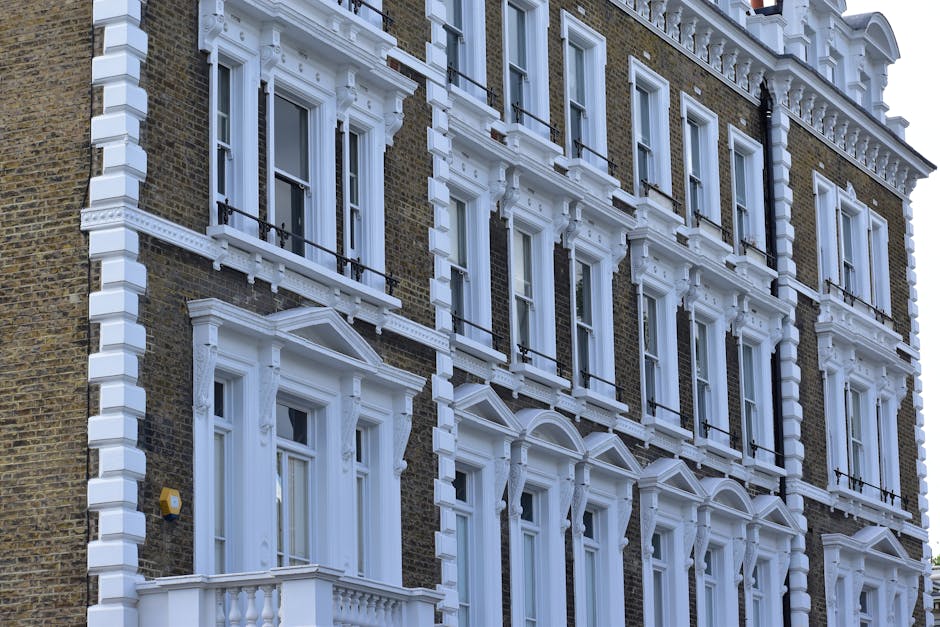
Case study: Victorian terrace to flat in Clapham Common
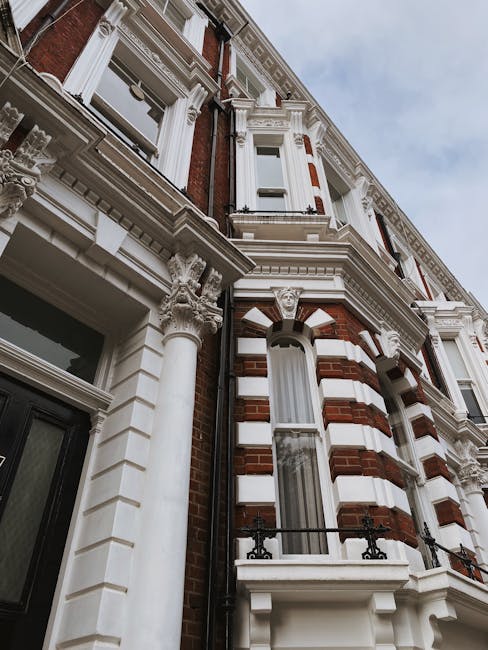
Moving from a Victorian terrace to a flat in Clapham Common sounds straightforward until you meet the reality of narrow staircases, tight kerbs, awkward parking, and the usual London surprise: a front door that opens exactly where you need a sofa to turn. This case study looks at what that kind of move actually involves, why it matters, and how to plan it well without losing your temper halfway through. If you are downsizing, relocating locally, or trying to move furniture into a period property conversion, the details make all the difference.
In practice, a Victorian terrace-to-flat move in SW4 is rarely just about lifting boxes. It is about access planning, timing, parking, protection for older interiors, and choosing the right transport method for the job. The good news? With the right approach, it can be a calm, efficient move rather than a bruising one. Let's walk through the key issues properly.
Why Case study: Victorian terrace to flat in Clapham Common matters
Victorian terraces and flats in Clapham Common often look charming on paper, but the move itself can be a small logistics puzzle. Period houses were not designed around modern removal vehicles, lifts, or bulky modular sofas. Flats bring their own complications too, especially where there are shared entrances, controlled parking, or limited waiting space outside. That mix makes this type of move worth treating as its own category, not just "another house move".
Why does that matter? Because poor planning usually creates stress in the places you least want it: the pavement, the hallway, and the final twenty minutes when the bed won't fit round the landing corner. To be fair, most moving problems are predictable once you know where to look. Access, storage, packing order, and timing are the big ones.
For local moves in Clapham Common, there is also the neighbourhood factor. Streets can be busy, parking can be tight, and loading spaces are often precious. If you have ever watched a van creep slowly past parked cars while someone walks ahead checking mirrors, you will know the feeling. It is not glamorous, but it is normal.
How Case study: Victorian terrace to flat in Clapham Common works
The move usually breaks down into a few practical phases. First comes planning the access at both ends. Then packing and labelling. Then deciding whether the job needs a full removals team, a man and van service, or a larger vehicle such as a moving truck. Finally, there is the physical move itself, which often takes less time when the preparation has been done well.
In a Victorian terrace, the challenge can be internal as much as external. Tight stair flights, original bannisters, narrow hallways, and low-hanging light fittings all slow things down. In a flat, the obstacle may be a top-floor walk-up, lift restrictions, or a loading bay that is never quite where you want it. Sometimes both ends are tricky. That is when a move becomes less about strength and more about sequencing.
A sensible approach is to map the move in three layers:
- Access layer: parking, entry points, stairs, lift use, and turning space.
- Inventory layer: what is moving, what is being sold, what is being donated, and what is too awkward to risk.
- Timing layer: when loading can begin, whether there are building rules, and how much buffer you need if something runs late.
If you want a broader sense of how local moving services are structured, the main home moves page is a useful starting point, especially when comparing full-house moves with smaller flat relocations.
Key benefits and practical advantages
The biggest benefit of planning this kind of move properly is simple: less friction. That sounds obvious, but in moving terms friction is what burns time and patience. A well-planned terrace-to-flat move can save you repeated trips, reduce damage risk, and stop you from discovering at the last minute that the wardrobe won't clear the stair rail. Not ideal, obviously.
Here are the practical advantages most people notice first:
- Fewer delays on the day: clear access planning keeps loading and unloading moving.
- Lower breakage risk: better packing and protection means fewer damaged corners, chipped frames, or scratched floors.
- Better use of labour: the team spends time moving items, not figuring out where they can park.
- Less stress for everyone: especially if children, neighbours, or building managers are involved.
- Smarter use of space: a flat move is often the right moment to downsize, declutter, and reset the layout.
There is also a financial angle. Efficient planning can help avoid unnecessary extra time, repeat journeys, or rushed last-minute services. If you are comparing options, the pricing and quotes page is the natural place to begin understanding how the job may be priced and what affects the final figure.
Expert summary: The real value of a well-run Victorian terrace to flat move in Clapham Common is not just speed. It is avoiding the hidden costs of poor access planning, awkward furniture handling, and rushed decision-making on the day.
Who this is for and when it makes sense
This type of move makes sense for a few different groups. The obvious one is a homeowner or tenant moving from a Victorian terrace into a flat nearby. But the same principles apply if you are downsizing, moving in with a partner, relocating after a sale, or shifting furniture between properties in SW4. It also suits people who need help with a partial move rather than a full house relocation.
It is especially relevant if any of these apply:
- You have bulky items such as wardrobes, sofas, beds, or appliances.
- Your new flat is on an upper floor with limited lift access.
- The terrace has narrow stairs or difficult interior turns.
- You are trying to avoid damaging original floors, plasterwork, or communal areas.
- You want a quicker, less chaotic move and are happy to plan properly.
It may also suit anyone who is moving for work and needs the logistics handled efficiently. Sometimes people underestimate the mental load. Packing one room at a time, then realising the new flat has less storage than expected, can be oddly draining. A move like this often rewards practical thinkers more than perfectionists.
Step-by-step guidance
Here is the cleanest way to tackle a Victorian terrace to flat move in Clapham Common without turning the day into a scramble.
1. Measure the awkward things first
Start with the items most likely to cause trouble: sofas, wardrobes, mattresses, sideboards, fridges, and any oversized mirrors or artwork. Measure width, height, and turning clearance. Then check the stair width and landing space at both properties. A few centimetres can matter more than people expect.
2. Check access at both ends
Look at parking, loading zones, steps, kerbs, and whether the entrance can be used safely with large items. If the flat is in a managed building, ask about lift size, booking rules, and moving hours. A short conversation early on can save a lot of faff later.
3. Decide what needs professional handling
Not everything needs specialist care, but some things do. Heavy furniture, delicate antiques, awkward angles, and anything valuable or fragile may justify a more experienced moving setup. For furniture that is not worth taking to the new place, a furniture pick up option can be a practical way to clear space before the move.
4. Pack by room, then by priority
Label boxes clearly and keep a small "first night" kit separate. The kettle, toiletries, chargers, meds, bedding, and a few basic tools should not vanish into a random box marked "misc". That box, as everyone knows, is where useful things go to disappear.
5. Protect the property
Use floor covers, door protection, and wraps for corners if needed. In older terraces, a single hard knock can mark a wall or skittle a skirting board. In flats, communal hallways and lift interiors deserve the same care. That respect matters, and neighbours notice it.
6. Load in the right order
Heavier items usually go in first, with fragile items secured separately and lighter boxes filling gaps. The aim is not to "fit everything in somehow". The aim is stable, safe loading that reduces movement in transit.
7. Unload with room logic
Place items where they belong, not just where they fit. In a flat, space fills up fast, so a little logic up front saves endless shuffling. Start with beds, storage, kitchen essentials, and anything needed for the first 24 hours.
Expert tips for better results
Here are the details that separate a smooth move from a merely survivable one.
- Use furniture that can be dismantled: flat-pack or modular items are often easier to move than one-piece heavy units.
- Keep hardware in labelled bags: screws, brackets, and fixings should travel with the item they belong to.
- Book the move early in the day: traffic and parking pressure tend to build as the day goes on.
- Protect floors at both ends: older timber floors and new carpets both deserve care.
- Leave a clear path before movers arrive: it sounds basic, but it saves minutes everywhere.
- Tell the movers about the awkward bits: weird turns, low ceilings, tight gates, heavy pianos, all of it.
A very small thing can help a lot: take photos of the rooms before you start. Not for Instagram, obviously. It helps if you need to remember where something was packed from, or if there is any discussion later about damage or placement.
Another useful habit is to keep one person responsible for decisions. Two people giving directions at once slows everything down. We have all seen that scene. It is rarely graceful.
Common mistakes to avoid
Most moving mistakes are not dramatic. They are small, cumulative, and surprisingly expensive in time. Here are the ones that come up again and again in this type of move.
- Not measuring the staircase or lift: this is probably the classic mistake.
- Assuming parking will sort itself out: it often does not.
- Packing too late: last-minute packing always creates more breakage and confusion.
- Ignoring building rules: some flats have strict moving windows or lift booking requirements.
- Trying to move items that should be dismantled: forcing a wardrobe through a tight turn is a bad mood in physical form.
- Underestimating clutter: you may think you have only "a few bits", then discover three boxes of cable detritus and a lamp that no one remembers buying.
There is also a common emotional mistake: trying to move everything exactly as it is. In reality, a terrace-to-flat move is often the best time to edit your possessions. A little decluttering before moving day can make the flat feel livable sooner. If you need inspiration, the guide on how to declutter before you start packing is a sensible read before the boxes begin to stack up.
Tools, resources and recommendations
You do not need a truckload of specialist gear for every move, but a few tools make a real difference. Good tape, strong boxes, furniture blankets, a trolley, marker pens, and reusable wraps can save a surprising amount of time. If you are moving a lot of household items, sturdy packing materials are worth the effort.
Useful resources and services to consider include:
- Packing support: for people short on time or energy, packing and unpacking services can take pressure off the busiest part of the move.
- Vehicle choice: smaller jobs may suit a van; larger, more complex moves may need a bigger vehicle or a different loading plan.
- Waste reduction: if you are getting rid of usable items, consider whether they can be reused or collected rather than dumped.
- Documentation: keep key paperwork in one folder so it does not get mixed into a random box with scissors and old chargers.
For many people, it also helps to read about local access issues before moving day. The article on Victorian terrace access solutions for Clapham moves is especially relevant if your staircase, doorway, or pavement setup is likely to be tricky.
If you are arranging a move during a busy period, the same-day removals in Clapham Common article is also useful for understanding how timing and flexibility affect the day.
Law, compliance, standards, or best practice
For most domestic moves, the main compliance concerns are practical rather than legal drama. That said, there are still a few things to get right. If you are parking a vehicle on a public road, loading safely and lawfully matters. If a building has communal areas, access restrictions, or booking rules, those need to be respected. And if you are disposing of unwanted items, you should do so responsibly and in line with local guidance.
Best practice usually includes the following:
- Safe lifting and handling: avoid moving heavy items alone when they are clearly awkward.
- Insurance awareness: understand what is covered if something gets damaged in transit.
- Property care: protect floors, corners, and door frames.
- Transparent pricing: know what is included before you commit.
- Responsible disposal: do not leave unwanted furniture on the street and hope for the best. It rarely ends well.
If you want to understand how a provider approaches protection and risk, the insurance and safety page and the related health and safety policy are useful background reading. They do not make moving glamorous, but they do make it safer and more predictable.
Options, methods, or comparison table
There is no single right method for every terrace-to-flat move. The best choice depends on volume, access, budget, and how much help you want. Here is a simple comparison.
| Option | Best for | Strengths | Watch-outs |
|---|---|---|---|
| Self-move with a rented van | Very small moves, confident packers, flexible schedules | Lower upfront cost, full control | More labour, more risk, parking and loading pressure |
| Man and van | Small to medium local moves | Flexible, usually quicker to arrange, good for awkward access | May not suit very large households or multi-room moves |
| Full removals team | Larger homes, complex access, fragile or bulky items | More hands, better coordination, less physical strain | Typically more expensive, requires more planning |
| Partial move with packing help | People downsizing or moving select rooms only | Tailored support, useful for time-poor households | Needs careful item sorting to avoid confusion on the day |
For a lot of Clapham Common moves, a local van-based service is enough when access is decent and the inventory is modest. But if the terrace has a narrow stairwell and the flat is on an upper floor, a fuller service often pays for itself in time saved and fewer headaches. Sometimes paying for the right number of hands is just common sense.
Case study or real-world example
Here is a realistic example based on the kind of move this topic usually involves.
A couple moved from a Victorian terrace near Clapham Common into a nearby flat after downsizing. The terrace had a steep staircase, a narrow landing, and one awkward upstairs room with little space to turn a sofa. The new flat was a good fit, but it had a shared entrance, limited outside waiting space, and a lift that was too small for one larger wardrobe section.
Instead of trying to "just get on with it", they broke the move into three parts. First, they measured the wardrobe and dismantled it. Second, they removed a sideboard they no longer wanted using a furniture collection arrangement. Third, they packed essentials separately so the first night would be easy rather than chaotic.
On the day, the team had a clear parking plan, the route from van to door was kept free, and the fragile items were loaded last. The whole move was noticeably smoother because nobody was guessing. No heroics. No drama. Just sensible preparation.
The strongest lesson from this kind of move is that the "hard part" is usually not the carrying. It is the decision-making before the carrying begins. Once you sort that out, everything else becomes much more manageable.
Practical checklist
Use this checklist before moving day. It is simple, but very effective.
- Measure large furniture and key access points at both properties.
- Confirm parking, loading space, and any building access rules.
- Decide what is moving, selling, donating, or disposing of.
- Book the right vehicle size and level of help.
- Pack essentials separately for the first night.
- Label boxes by room and priority.
- Protect floors, walls, and door frames.
- Dismantle awkward furniture in advance where possible.
- Keep important documents and valuables with you.
- Check insurance and safety expectations before the day.
- Leave enough time for keys, handover, and inevitable delays. Because, well, there are usually a few.
Quick practical reminder: if the move involves bulky items that are not worth taking, sort them early rather than on the morning of the move. That one decision alone can reduce stress by a surprising amount.
Conclusion
A Victorian terrace to flat move in Clapham Common is one of those jobs that looks straightforward until you get into the details. But that is also why a careful, local, practical approach works so well. Once you account for access, packing order, vehicle choice, and building rules, the whole process becomes much easier to handle.
The key is to treat the move as a project, not a panic. Measure properly, plan the route, decide what really needs to come with you, and choose the right level of help. Do that, and you give yourself the best chance of a move that feels organised rather than overwhelming.
Get a free quote today and see how much you can save.
And if you are standing in a hallway wondering how on earth that wardrobe is going to make it round the corner, take a breath. It usually does, with the right plan.
Frequently Asked Questions
What is involved in a Victorian terrace to flat move in Clapham Common?
It usually involves access planning, packing, furniture protection, parking arrangements, and choosing the right size of vehicle or removals help. The tricky part is often the property layout rather than the distance travelled.
Is a man and van enough for this type of move?
Sometimes, yes. If you are moving a modest amount of furniture and the access is manageable, a man and van service can be a practical fit. If you have bulky items or multiple rooms' worth of belongings, you may need more support.
How do I know if my furniture will fit through a Victorian staircase?
Measure the item carefully, then measure the narrowest points of the staircase, hallway, and landing. Pay attention to turning space, not just straight-line width. That is where the surprise usually is.
Should I dismantle furniture before moving day?
Yes, where possible. Dismantling wardrobes, bed frames, and similar items makes them easier and safer to move. Keep all fixings in labelled bags so reassembly is not a treasure hunt.
What should I do if my flat has a small lift?
Check lift dimensions early and ask whether the building has rules for using it during a move. If the lift is too small for larger items, you may need to dismantle furniture or carry items via stairs with care.
How far in advance should I book help for a local move?
As early as you reasonably can, especially if you are moving at the weekend or near the end of the month. Local availability can tighten up quickly, and a bit of notice gives you more choice.
What are the biggest mistakes people make with flat moves in Clapham Common?
The most common mistakes are poor measuring, ignoring parking, packing too late, and not checking building access rules. Those four issues cause most of the avoidable stress.
Can I combine moving and decluttering at the same time?
Yes, and it is often the smartest approach. If you already know certain items are not going into the new flat, deal with them before moving day. It saves space, time, and money.
How do I protect older walls and floors during the move?
Use floor coverings, avoid dragging items, and wrap furniture corners where needed. In older homes, a small scrape can stand out more than you think, especially on painted walls or original floors.
What happens if access is worse than I expected on the day?
Have a backup plan. That might mean adjusting the route, dismantling another item, or changing the loading sequence. A calm, flexible approach usually solves the problem faster than force ever will.
Is this kind of move suitable for shared buildings or managed flats?
Yes, but it needs more coordination. You may need to follow booking rules, time restrictions, and shared access procedures. It is worth checking those details well before moving day.
Where can I find more advice on Clapham Common moving issues?
Useful local reading includes articles on terrace access, same-day removals, and moving costs in the area. Those topics help you understand the practical realities before you commit to a plan.