Bellevue Road removals access and parking tips for SW4
Moving house or relocating a flat in SW4 can feel simple on paper and then suddenly a little tricky once the van arrives and the street is tighter than expected. That is exactly why Bellevue Road removals access and parking tips for SW4 matter. Bellevue Road sits in a part of South London where road space, bay availability, neighbour access, and loading timing can make the difference between a calm move and a day full of back-and-forth shuffling.
If you are trying to plan a move on or near Bellevue Road, the good news is that most problems are avoidable with the right prep. In this guide, we will walk through what tends to happen on the ground, how to plan access properly, what to do about parking, and how to make the whole thing smoother for you, your movers, and everyone else in the street. Truth be told, a little planning here saves a lot of heavy lifting later.
Key takeaway: The best Bellevue Road moves are the ones that treat access and parking as part of the move itself, not an afterthought.
Table of Contents
- Why Bellevue Road removals access and parking tips for SW4 Matters
- How Bellevue Road removals access and parking tips for SW4 Works
- Key Benefits and Practical Advantages
- Who This Is For and When It Makes Sense
- Step-by-Step Guidance
- Expert Tips for Better Results
- Common Mistakes to Avoid
- Tools, Resources and Recommendations
- Law, Compliance, Standards, or Best Practice
- Options, Methods, or Comparison Table
- Case Study or Real-World Example
- Practical Checklist
- Conclusion
- Frequently Asked Questions
Why Bellevue Road removals access and parking tips for SW4 Matters
Access and parking are not just logistics. They shape how long a move takes, how much lifting is needed, whether furniture arrives intact, and whether your neighbours have a calm morning rather than a blocked driveway and a stressed face at the window.
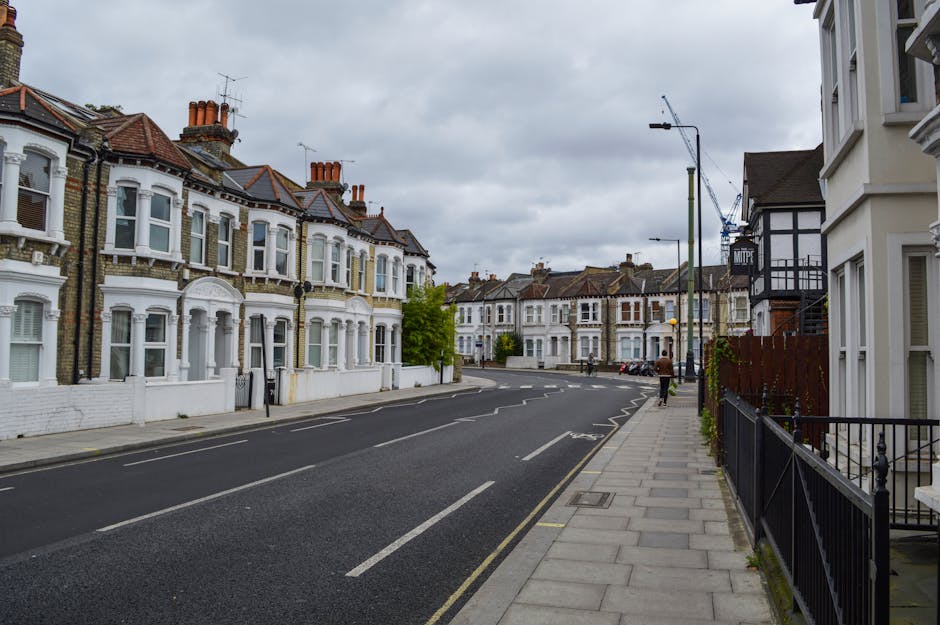
On a road like Bellevue Road, the challenge is usually not the distance itself. It is the small stuff: narrow stretches, parked cars, delivery traffic, awkward turning space, and the possibility that the van ends up farther away than you planned. Even a short walk from vehicle to front door can become a real drag when you are carrying wardrobes, mattresses, boxes of books, and the odd plant that somehow weighs more than it looks.
That is why careful access planning is so useful. It helps you:
- reduce loading time and avoid unnecessary delays
- protect furniture from knocks and over-carrying
- keep the move safer for everyone involved
- avoid last-minute parking stress
- limit disruption to neighbours and nearby traffic
It also helps you make smarter choices about the moving vehicle itself. For instance, a smaller vehicle can sometimes be easier to position close to the property, while a larger vehicle may be more efficient if there is a proper place to stop. If you are comparing vehicle types, services such as man with van support or a larger moving truck can suit different access conditions, depending on how much you need to move and how much roadside space is available.
How Bellevue Road removals access and parking tips for SW4 Works
In simple terms, you want to match the move plan to the street conditions. That means thinking about where the vehicle will stop, how long it will be there, how far items will be carried, and what happens if access is tighter than expected. A good removals plan for SW4 should not assume the road will behave like a wide industrial loading bay. It usually will not.
Here is how the process usually works in practice:
- Assess the property entrance. Check whether there are steps, a narrow hallway, a shared entrance, a basement level, or any awkward corners inside the building.
- Review parking options nearby. Look at where a van can reasonably stop without blocking access, causing hazards, or creating unnecessary conflict with residents and passers-by.
- Estimate carry distance. A short front-door load is very different from a parking spot around the corner. That distance affects time, labour, and packing strategy.
- Choose the right move size. For light to medium loads, a smaller vehicle may be easier to position. For larger home moves, a more substantial setup may save repeated trips.
- Prepare items for quick loading. Disassembled furniture, clearly labelled boxes, and protected fragile items make a huge difference when space is tight.
- Build in a time buffer. In London, traffic, parking changes, and small access snags can happen. A little extra time keeps the day from spiralling.
To be fair, many people think the move starts when the first box is carried out. In reality, it starts when you work out how the vehicle will get near the property in the first place.
If you are moving a home rather than a single bulky item, it can also help to look at home moves support or house removalists so the access plan matches the volume and speed you actually need.
Key Benefits and Practical Advantages
Good access and parking planning is not just about avoiding problems. It creates a better move overall. You notice it in the small moments: the van arrives, the route is clear, the front door opens, and nobody is standing around wondering where the best place to park might be.
- Less lifting distance: Shorter carries mean less strain and fewer chances of damage.
- Faster turnaround: A sensible parking position keeps the loading sequence moving.
- Better safety: Fewer awkward manoeuvres and less carrying through tight spots reduces risk.
- Cleaner coordination: Everyone knows where the vehicle is going and how the load will be handled.
- Lower stress: This sounds obvious, but calm access makes the whole day feel more manageable.
There is also a financial benefit, even if it is indirect. Efficient loading can reduce time on site, which is helpful whether you are booking a simple man and van job or arranging something bigger. And if you need packing help, having the boxes ready before the vehicle arrives means you are not paying for avoidable delays while someone hunts for tape. Nobody enjoys that bit.
For local businesses or hybrid home-office relocations, access planning can matter even more. Office equipment, files, desks, and IT gear all need controlled handling. In those cases, it may be worth considering office relocation services or commercial moves if the job needs a more structured approach.
Who This Is For and When It Makes Sense
This guidance is for anyone moving on or around Bellevue Road in SW4, but it is especially useful if your move has one or more of the following features:
- you live on a road with limited stopping space
- your property is in a terrace, flat conversion, or shared building
- you have bulky furniture or fragile items
- you expect a narrow access route or stairs
- you are moving at a busy time of day
- you are trying to coordinate removals with work, school runs, or building access rules
It also makes sense if you are only moving a few items but they are awkward enough to need care. A sofa, a wardrobe, or office furniture can become an access problem very quickly. And yes, one single item can still create a parking headache if the vehicle cannot stop sensibly.
If you are clearing rooms before a smaller move, or getting rid of furniture that does not need to travel with you, a furniture pick-up service can be a neat way to simplify the day. Less clutter usually means less parking pressure. Small win, but a real one.
Step-by-Step Guidance
Here is a practical way to plan Bellevue Road access and parking without overcomplicating it.
1. Walk the route before moving day
Stand outside the property and look at the full approach, not just the front door. Where could a vehicle stop safely? Is there a nearby bay, a layby, a wider section, or a corner that would cause trouble? Look at the route from the van to the entrance with a realistic eye. If you would not want to push a wardrobe trolley along it, your movers probably will not either.
2. Measure the awkward bits
Measure doorways, hallways, stair turns, and any shared entrance points. A few centimetres matter more than people think. If a sofa needs to tilt to clear a bend, that changes the loading plan. If a bed frame has to be carried upstairs, split it in advance. The move becomes calmer almost immediately.
3. Decide what must be close to the door
Boxes, fragile items, and frequently used essentials should be near the front. Heavy items should be placed so they can be lifted efficiently without moving three lighter things first. It sounds obvious, but in a rushed flat on moving day, obvious gets forgotten.
4. Keep parking realistic
Do not plan around an ideal space that probably will not be there. Plan around the space you are most likely to get. If the best stop is slightly further away, accept it early and adjust the loading order. It is better to be realistic than to spend ten minutes circling while everyone gets colder and less patient.
5. Pack for the carry distance
If the vehicle is likely to be parked some distance from the door, make sure boxes are sturdy, not overfilled, and easy to stack. Wrap delicate items properly, and keep loose parts together. A long carry and a flimsy box are not friends.
6. Confirm the vehicle size
Choose a vehicle that fits the street as much as it fits the load. A smaller vehicle can often be positioned more easily in tighter SW4 streets, while a larger vehicle can make sense if there is a clear place to stop and you want fewer trips. If you are unsure, compare options like removal truck hire and more compact transport, then match the choice to the actual access conditions.
7. Leave a small time cushion
London roads are rarely perfectly predictable. A small delay here and there is normal. Build in extra time for parking, loading, and the unexpected. A ten-minute cushion can feel like a luxury, but honestly, it is often the difference between a decent move and a frazzled one.
Expert Tips for Better Results
These are the little things that tend to help most on real moves. Not glamorous, just effective.
- Use one person as the parking contact. Too many opinions at the kerbside becomes chaos. One clear decision-maker is enough.
- Put the heaviest items nearest the exit. It saves time and reduces awkward turns.
- Protect floor surfaces inside the property. Even a short carry can scuff a hallway if the load is bulky or the weather is wet.
- Keep building entry clear. Doors, intercoms, and shared passageways should stay free where possible.
- Have a backup parking thought. If the first choice is taken, know your second-best option before the van arrives.
- Tell neighbours early if space may be tight. A quick heads-up often prevents frustration.
A small human detail that matters: on damp mornings, the pavement can be a bit slick and everyone moves more carefully. If you have ever carried a mattress in drizzle, you will know exactly what I mean. It is not dramatic, just awkward. A proper plan helps.
If packing is the bottleneck rather than parking, it can be worth looking at packing and unpacking services. When boxes are ready on time and labelled clearly, the access plan becomes much easier to execute. Quietly, that can save the whole day.
Common Mistakes to Avoid
Most access problems are not caused by bad luck. They come from avoidable assumptions.
- Assuming parking will be available right outside. It might be, but do not rely on it.
- Choosing a vehicle too large for the street. Bigger is not always better in residential SW4.
- Not checking internal access. A perfect parking spot is not much help if the staircase is too tight for the sofa.
- Forgetting about shared entrances or neighbours. A move should be efficient, not obstructive.
- Packing boxes that are too heavy. Book boxes are the classic culprit. Heavy, awkward, and somehow always more than you think.
- Starting too late in the day. Parking and traffic pressures tend to build, not shrink.
One of the biggest mistakes is treating access as something the driver will simply solve on arrival. Sometimes they can. Sometimes they cannot. The best moves are the ones where the property side and the vehicle side have both been planned properly.
Tools, Resources and Recommendations
You do not need a complicated toolkit, but a few simple items help enormously on Bellevue Road removals:
- measuring tape for doors, hallways, and awkward furniture dimensions
- strong tape and labels so boxes can be stacked and identified quickly
- blankets or protective wraps for furniture and delicate surfaces
- trolley or sack barrow if the route from vehicle to door is longer than expected
- bin bags and cleaning cloths for last-minute tidying before handover
- a written move plan with parking notes, contact names, and the order of load-out
For people wanting a more straightforward single-vehicle move, man with van arrangements can work well when access is manageable and the load is not too large. For larger or more structured moves, a broader service such as removal truck hire may fit better. It really depends on your street, your furniture, and how much carrying you want to do.
If sustainability matters to you, and it often does these days, it is also sensible to think about reuse and disposal. Items that should not travel with you may be better diverted through recycling and sustainability practices rather than loaded into the van just because they are there.
Law, Compliance, Standards, or Best Practice
For a local move in SW4, the main point is to follow sensible road, parking, and safety practice. You should not block access, create a hazard, or assume that informal stopping is fine if it disrupts others. In London, parking and loading conditions can be subject to local restrictions, so checking the situation in advance is wise. Exact rules can vary by location and time of day, so the safest approach is to confirm the practical reality before moving day rather than guessing.
From an operational point of view, good removals practice usually includes:
- safe lifting and carrying methods
- clear communication between movers and the property holder
- careful protection of walls, floors, and doors
- responsible parking and considerate loading/unloading
- appropriate vehicle insurance and job planning
If you are hiring help, it is reasonable to ask about insurance and safety processes. You want to know that the team has a sensible approach to handling items, road positioning, and risk. If you are unsure what to ask, reviewing a company's insurance and safety approach and health and safety policy is a calm, practical starting point.
One more thing: access planning is not only about avoiding fines or complaints. It is about respecting the street you are moving in. That sounds small, but it matters. People notice when a move has been thought through.
Options, Methods, or Comparison Table
Below is a simple comparison of common move approaches for Bellevue Road and similar SW4 streets. There is no one perfect option. The best fit depends on how much you are moving and how easy it is to stop nearby.
| Option | Best for | Strengths | Trade-offs |
|---|---|---|---|
| Man and van | Smaller flats, partial moves, flexible timings | Usually easier to park, more adaptable in tighter streets | May need more trips for larger loads |
| Moving truck | Full-house moves with enough roadside space | Greater capacity, fewer runs, efficient for bigger loads | Harder to position in narrow or busy roads |
| Removal truck hire | Large or time-sensitive moves | Good for volume and structured loading | Needs more careful access planning |
| Commercial moves | Office items, business equipment, mixed inventory | Helps coordinate equipment, timing, and access | Often needs more detailed prep |
If you are moving a home and the road is tight, the compact option often wins on practicality. If you have a clear place to stop and plenty of volume, a larger setup can be more efficient. Ask yourself a simple question: do I need the biggest vehicle, or the easiest one to place? The answer is not always the same.
Case Study or Real-World Example
Here is a realistic example from a typical Bellevue Road-style move. A couple in a top-floor flat had a standard household load: bed, sofa, dining table, a few shelves, and a fair stack of boxes. At first, they assumed the van could stop just outside the building. On the day, that space was taken. Not a disaster, but it changed things.
Because they had checked a second parking option nearby and pre-packed the furniture properly, the move still ran smoothly. The van stopped a short walk away, the movers used a trolley for the heaviest items, and the boxes were already grouped by room. The whole thing took longer than their first hope, of course, but not by much. More importantly, there was no panic, no backtracking, and no damaged hallway wall from a rushed turn.
They also had one bulky wardrobe that would have made the stairwell awkward. That piece was dismantled ahead of time. Small detail, big impact. Very often that is the whole story with SW4 moves: little decisions, made early, save the day later.
Practical Checklist
Use this before the van arrives.
- Confirm the moving date and arrival window
- Inspect access from road to front door
- Identify the nearest realistic parking or loading point
- Measure furniture and internal tight spots
- Label boxes by room and priority
- Disassemble large items where sensible
- Protect fragile items and surfaces
- Keep hallways and entrances clear
- Decide who will handle parking coordination
- Prepare backup access or parking options
- Check if any items need disposal, reuse, or recycling
- Leave enough time for loading, not just arrival
If your move includes a lot of sorting, clearing, or last-minute decluttering, you might find that a quick furniture pick-up or a combined move-and-clear approach makes the day feel much lighter. Less stuff, less stress. It is a simple equation, really.
Conclusion
Bellevue Road removals access and parking tips for SW4 come down to one simple idea: plan the street before you plan the boxes. Once you know where the vehicle can stop, how far the carry is likely to be, and what kind of load you are moving, the rest becomes much more manageable.
That bit of planning is often what separates a rushed, noisy move from one that feels controlled and decent. Not perfect. Just decent, which on moving day is honestly a win.
If you are getting ready for a move in SW4 and want to keep things straightforward, take the time to match your vehicle, access route, and packing plan properly. It will save you effort, reduce friction, and make the day feel a lot more human. And that matters more than people think.
Get a free quote today and see how much you can save.
Frequently Asked Questions
What is the biggest access issue on Bellevue Road during a move?
The most common issue is usually parking close enough to the property without blocking traffic, residents, or access routes. Even a short extra carry can slow the move down, so the stopping point matters a great deal.
Should I book a smaller van for Bellevue Road removals?
Often, yes, if the road is tight or parking is limited. A smaller vehicle can be easier to place and may reduce stress. That said, if you have a larger load and a workable stopping point, a bigger vehicle may still be the better choice.
How far in advance should I think about parking for moving day?
Ideally, before you confirm the move. At minimum, walk the route and think through parking a few days ahead. Leaving it until the van arrives is where many avoidable problems start.
Do I need to measure the furniture before moving?
Yes, especially for sofas, wardrobes, beds, and larger tables. A piece that looks fine in the room can become a real challenge at the hallway bend or stair landing.
What should I do if parking right outside is not available?
Have a backup spot in mind and pack so that the carry is still manageable. Use strong boxes, keep heavy items sensible, and let the movers know the likely walking distance from vehicle to door.
Is a man and van service enough for a SW4 flat move?
It can be, especially for smaller flats, partial moves, or flexible loads. If access is tight and your items are not too numerous, it is often a practical choice.
What if I have heavy furniture and narrow stairs?
Measure everything carefully and consider dismantling larger items before moving day. If the access inside is awkward, that matters just as much as parking outside.
Can packing help make parking easier?
Indirectly, yes. Well-packed boxes load faster, reduce back-and-forth, and make the overall stop shorter. That helps if parking space is limited or shared.
Should I warn neighbours before the move?
It is a good idea if the street is tight or if the vehicle may block part of the road briefly. A simple heads-up goes a long way in keeping the day calm.
What is the best time of day for removals in SW4?
Earlier is usually better because parking and traffic pressures tend to build later in the day. That said, the best time also depends on your building access, work schedule, and any local restrictions.
How can I avoid damage during a move with limited access?
Use protective wrapping, clear the route inside the property, and avoid overloading boxes. Careful carrying matters more when the route is long or narrow.
Where can I find more information about your moving services?
You can explore the relevant service pages for different move types, including home moves, man and van, and commercial moves. If you want to understand the company better, the about us page is a sensible place to start.
What should I do if I need help choosing the right moving setup?
Start with the size of the load, the access route, and the parking reality. If you are unsure, the safest route is to speak with the team and compare the options against your actual street conditions. No need to overthink it, but do not guess either.
For general enquiries and practical next steps, the best place to go is the contact us page, where you can ask about availability, access concerns, or a tailored moving plan.